You know that feeling marketers get? You have a great video campaign, the message is clear, but there’s something wrong – the video doesn’t resonate with the viewer. Maybe the person in the video doesn’t look like your audience. Maybe it just doesn’t land. Maybe it just doesn’t land. That disconnect between content and consumer? The best face swap app is bridging it.
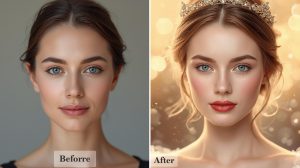
It’s not science fiction any more. Companies across the spectrum, from multinational e-commerce behemoths to scrappy DTC startups, are leveraging face-swapping AI technology to ensure the right face is front of mind in the right place. And the results are impressive. Literally.
What’s Really Going on Behind the Scenes
Face swap technology has come a long way from creepy deepfake videos that went viral for all the wrong reasons. Today’s AI-powered face swap technology uses a combination of generative adversarial networks (GANs) and diffusion models to accurately map facial structures, lighting, facial expressions, and skin colours.
The technology is crazy when you hear it out loud: a company shoots a single video with a single actor, then swaps their face for hundreds of different faces (different genders, ages, ethnicities), and it feels like they have made a video for every segment of the market. The lips still sync. The expressions still match. The lighting still makes sense. It’s not quite a miracle. Advertisers are using it to run variation tests on campaigns, for a fraction of what they would cost to produce. It used to be that you had to cast the video 10 times, apply makeup 10 times, edit the video 10 times. Now? Shoot once, then let the computer do the work.
The Dream of Scale Personalization
Dynamic content has been the holy grail for decades. Direct mail tried. Email tried. Dynamic website content tried. But video – the most influential medium of all – had a personalization limit. There was no way to personalise a video to a single person without spending millions.
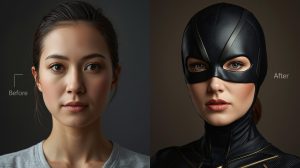
Then came AI face swap
Consider what occurs when a consumer views a video and sees a face that’s similar to theirs. Mirror neurons fire. Trust builds faster. The message sticks. There’s science behind the effectiveness of representation in advertising – and now brands can do it without changing their manufacturing process.
So, for example, a cosmetics brand can now show the same moisturizer being applied by faces that represent their customers by age and skin tone. Not because they shot the ad fifteen times. Because they used face swap. Same lighting. Same product. Same script. Entirely different messages for different viewers.
The Best Face Swap App is in the Marketing Stack
Finding the right tool is more important than marketers initially think. A good face swap app for a big enterprise with a dedicated video production team is very different from the good choice for a tight-bellied startup with a tight budget. There are apps that specialize in fun for consumers and apps that are specifically built for commercial production workflows with API, batch processing, and content rights management for example.
The key to the useful vs the novelty is the quality of the swap. It’s easy to do a few. Creating thousands of face swaps that all look real, that all look real in high resolution, that all pass a “does this look real?” test from a viewer on a mobile phone – that’s more difficult. The enterprise tools are getting closer, but let the buyer beware: not all are created equal. Integrations matter too. The best tools for marketing applications integrate with production workflows by connecting with video editors, asset management platforms, ad servers and other delivery platforms. No one wants an island.
Personalization Meets Localization
This is where it gets really cool. Face swap is not just for demographics. It’s increasingly being used for geographic localization.
An international brand launching a campaign in 40 markets can now modify not only the dubbing, but also the face in the video to suit the local market. When it runs in Japan it has one face. In Brazil, it’s another. The product is identical. The story is identical. But the human element – the “could that person be my neighbour” factor – is different in different regions. This is highly targeted personalization that was unheard of just five years ago. This is something that even brands with deep pockets couldn’t have done with conventional production techniques without it becoming a nightmare.
Where the Guardrails Need to Go
None of this is without controversy. There are serious questions being asked in marketing right now about permission, about transparency, about where AI faces become a deception.
The FTC is paying attention. Consumer trust is fragile. And consumers, once deceived by a brand, are hard to win back. The companies that will succeed are the ones being transparent about the use of AI in content – using it as a production technique, not sleight of hand.
Consent for the source actor matters enormously. Licensing for generated characters. And while the tech can change the face, it can’t change the responsibility for how the face is used.
The Metrics Are Changing the Conversation
Here’s where the budget is shifting: it’s effective. Brands who are running AI face-swapped video variants against “control” campaigns are seeing higher engagement, view-through, and click-through rates when the faces shown to audiences reflect the target audience.
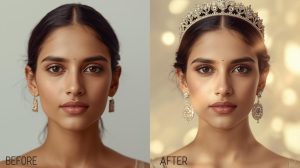
That’s different to how “we think this is a good idea” is going down in the CFO’s office. Numbers move budgets. And right now, the data is showing that diversity in video advertising isn’t just good for society – it’s good for the bottom line.
The Biggest Trend This Represents
There’s a bigger pattern here. AI face swap for marketing is one piece of a much larger shift: the industrialization of personalization. Until recently personalization in advertising meant using someone’s first name in the subject line of an email. That era is ending.
Video – the primary way people communicate on the internet today – is becoming as malleable as text. What this means for creative, casting, production, and brand behavior is still in the process of being determined.
Those brands who are focusing on it now, building the expertise and experimenting with the tools while it is still in its infancy, will not be playing catch-up in two years when this becomes a must-have skill.