A phone photo can feel flat. Too literal. Then somebody finds a picture of a beautiful girl on the internet and starts to draw it with the help of an ai image to sketch, and all of a sudden, that very photo appears as if it is on the cover of a notebook, a gallery, or a menu in the corner of a cafe. The noise is removed by line drawings. They keep the story. They sharpen emotion. Such transformation between pixels and pencil strokes is quick now and quick on the Internet, there are no downloads, no hassle, and no artistic training.
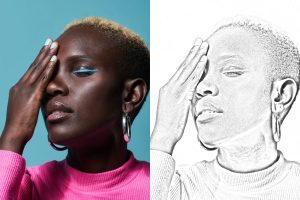
Photographs were used to capture the moments. Sketches interpret them. That difference matters. A line drawing is one that gives room to imagination. It feels lighter. More human. Unrefined, less assertive. It is why the people are turning the portraits, pet pictures, travel pictures and even product pictures into sketches using the AI features which live directly in the browser.
The reason why Line Drawings Hit Different.
A sketch feels honest. It doesn’t shout. It whispers. A single line can speak more than a thousand colors that are battling to get a chance to be noticed. This is the favorite of designers as line art can be fitted anywhere. Websites. Logos. Tattoos. Wedding invites. Packaging. Even resumes.
Pictures make you know what something looks like. There is a drawing that implies the experience. That is where sketches are brilliant in that emotional gap. With AI, the gap can be closed within seconds. Upload. Click. Done.
And an expedient side to it. Line drawings have quicker loading capacity on websites. They print better. They grow without being blurred. One drawing can be used in different formats without yelling at people that it is an image of a stock drawing.
The way AI Transforms Photos into Line Art.
AI seeks points of departure behind the curtain. It studies contrast. It detects shapes. It then lines the image rather than pixels. Imagine it is like tracing, except that the brain knows faces, shadows, and depth.
Older tools struggled. Hair turned messy. Eyes lost life. Backgrounds were turned into messy writing. The contemporary AI is very graceful with these details. Faces stay expressive. Lines stay clean. Backgrounds become faded when they ought to.
The best part is control. A lot of tools allow to change the thickness, detail, and contrast. Want a soft pencil vibe? Done. Prefer sharp ink lines? Easy. Other ones even imitate the style of charcoal or technical pen.
No Art Degree Required
It is a relief when you know that you do not need to be artistic any longer. You need not have a steady hand or years of practice in drawing sketches. AI handles the hard part. You make the choices.
This opens doors. A small company entrepreneur will be able to transform product images into fashionable drawings. A parent has the ability to turn a picture of a child into a wall art. An illustrator does not have to be hired on a weekly basis to refresh the visuals created by a content creator.
It was said that there was the gate to creativity. It is now more like a sliding door.
Some of the Uses of Everyday Life That Do Make Sense.
Line drawings are not merely appealing. They’re useful.
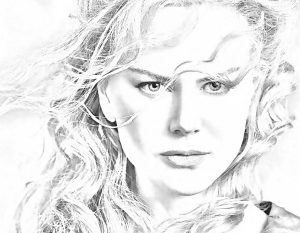
The posts on social media are easy to notice when they appear unlike the photo feed that is tirelessly repeated. A sketch stops the scroll. It feels intentional.
There are hero sections and icons that are sketched by web designers. They feel friendly. Less salesy. More inviting.
They are used as posters, stickers and journals by print lovers. Line art is printed well in almost all surfaces.
Even gifts benefit. A drawn portrait is personal. Thoughtful. It was like hard work, regardless of whether AI made the work heavy.
Speed Alters Innovative Behaviors.
When it takes hours, then people are reluctant. They test when it can be done in several seconds. That’s what AI tools change. People try more ideas. They iterate. They play.
Upload a photo. Try one style. Try another. Compare. Laugh at the weird ones. Save the good ones. Creativity becomes lighter. Less pressure. More fun.
The professionals are not left behind by this speed. Designers are able to mock concepts in quick fashion. Advertisers do not have to wait a long time to test images. Without getting exhausted, content teams are able to maintain the freshness.
Quality Does Not Only Fight Lines.
A fine sketch has character. A bad one feels empty. It is usually the difference in the way the AI perceives faces and shape.
More appropriate tools do not ignore percentages. They do not flatten noses or do away with expression. They understand when it is best to be simple and when it is best to be detailed. That balance matters.
Look closely at eyes. Hands. Hair. Such areas expose quality fast. Strong AIs ensure that they remain readable and do not reduce them to noise.
Privacy Still Matters
There is a question of how posting of photos on the internet. Especially personal ones. Good platforms quickly process the images and eliminate them. No long-term storage. No silent reuse.
It is clever to examine this prior to posting sensitive pictures. Creativity is inspired by peace of mind. Worry kills it.
Sketches Feel Timeless
Trends come and go. Filters age badly. Line drawings don’t. They have been centuries old. Cave walls. Notebooks. Blueprints. Comics. That simplicity ages well.
That is why it is safe to transform photos to sketches. It does not beep a certain year or application. It feels classic. Calm. Grounded.
It is said that a drawing is closer to the memory than a picture. Memories do not have high resolution. Outlines of them are emotional. Line art mirrors that.
Humor Lives In Imperfection
Sometimes AI gets weird. A line bends strangely. A shadow becomes dramatic. This usually brings a touch of charisma in lieu of destroying the outcome.
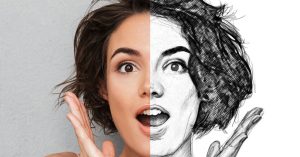
Those minor abnormalities are human. As a friend sketched your picture when you were on the phone. Perfection can feel cold. Slight oddness feels warm.
Most users have versions that are not perfect in that they are more personal. That says a lot.