Step-by-Step How to Convert a Cartoon Online
The reason why people prefer to convert photo to cartoon online is that it is a little like magic. Upload a normal photo. Wait a few seconds. Boom. You suddenly have the appearance of a graphic novel character or Sunday comic strip character. Behind such fast output, however, is a series of technical processes that the majority of platforms silently execute in the background.
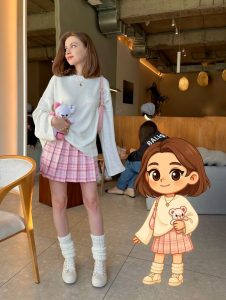
This process normally starts when a photo is uploaded by clicking the upload button. File type, file size, and file resolution are checked by the system. Smaller, and the outcome is a look of smashed potatoes. Exceeds its limit and slows or stops. There are a lot of tools that automatically resize pictures, and most of the time, they do not inform you. The photos are already resized, and no cartoon effect is seen.
The second one is face and object detection. The software searches for edges, shapes, and patterns. Eyes, nose, mouth, jawline. Hairline, if you are lucky. The glasses occasionally disorient the system. Beards almost always do. The errors begin to creep in during this detection stage. The wrong angle of the head or incorrect lighting will distract the whole thing.
Once it is detected, the platform simplifies the image. Colors get flattened. Shadows lose depth. Tiny details vanish. Imagine it is polishing a table that is made of wood. Smooth surface. Less texture. This is the way in which photos begin to appear drawn rather than natural.
Simplification of Style and Feature.
After the simplification of the photo, the rules of style come in. These regulations determine the thickness of the lines. How sharp the contrast looks. The state of the skin, whether it is postured or soft. Certain tools are heavy in bold lines. There are people who prefer pastel colors and soft gradients.
At this step, pre-existing styles are frequently employed. You could have such choices as comic, anime, or sketch. At the back of each choice, there is a recipe. A list of parameters that indicate the aggressiveness of the transformation that the system should implement. Change your style of switching and change not the photo. You are changing the math.
Here, the image does not reflect the original data in its entirety anymore. It turns into a visual interpretation. Something like a caricature artist making you smile much bigger and your weary eyes.
Rendering and Final Output
Making it real is the thing that holds it all together. The image is reconstituted by the system with its new cartoon logic. Lines are redrawn. Colors are reapplied. Backgrounds can be blurred or flattened. Other websites will substitute backgrounds, regardless of whether you requested it or not.
The last file is compressed, and it is exported. Usually as a JPG or PNG. Sometimes with watermarks. Occasionally deprived of metadata. Sometimes not.
The latter fact is more significant than some individuals think.
What becomes of your Photo after you uploaded?
The act of posting a photograph is informal. As with the pluck of a pebble in a pond. But somewhere particular pebble alights.
The majority of the online tools temporarily store images uploaded. Others, within minutes, delete them. They are kept by others for hours or days. A few keep them much longer. The policy is service-based, and most policies can only be deciphered by drinking coffee and being patient.
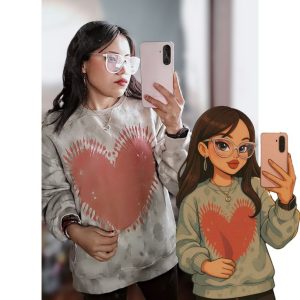
Images can be stored as a performance cache. That implies that clones are placed on servers that are near users. Faster loading. More copies. More sites have your image.
There are also sites that trace uploads in order to enhance their systems. The translated one: your picture can be used to teach algorithms. Your face becomes data. Not as an individual, but as a model.
Metadata and Hidden Details
Images usually conceal information. Location tags. Device models. Timestamps. Even editing history. This metadata would travel with it when you remove a photo to a cartoon online unless it is stripped.
This is something many users do not give a second thought. However, metadata can tell about the location of a photo. Or when. Or what phone did you use? Cartoon filters do not necessarily take away that layer.
Unless the metadata is cleansed during the export of the platform, your cartoon image might continue to have something to tell.
Privacy Threats that people hardly discuss.
The obvious risk is storage. Where is your photo kept? Who can access it? The less evident threat is reuse.
The uploaded content is widely subject to rights granted by some services. Read carefully, and you will maybe be able to find clauses that permit reuse to market or research. This is the cartoon version of you with a smile on, and you could be in a demo gallery one day.
Account linking is another issue. IP addresses and browser prints can be used to connect to uploads even without an account. Patterns form. Profiles emerge. Nothing dramatic. Just a quiet accumulation.
Learning of Facial Data and Pattern.
Even when legislations are behind, faces are delicate information. Face analysis is done by cartoon conversion tools. Eye spacing. Bone shape. Expression habits. Those patterns may be stored abstractly.
You may be tempted to say, it is a cartoon. True. An actual scan of the face had to be undertaken first, however.
It does not imply that all the tools are dangerous. It means blind trust is lazy.
The ways to be smart before posting any photo.
Take a picture of the crop in advance. Eliminate backgrounds that you are not interested in. Keep away from pictures with other individuals. Their approval is an issue as well, although the software may not request it.
Utilize ungeotagged photos. Phones allow you to switch that off. A boring setting. A useful one.
Policies Without Losing Your Mind on Reading.
Privacy policies are a pain. No sugarcoating that. The words you do not have to read. Search in areas relating to data retention and rights to content. Look for timelines. Minutes? Days? Indefinite?
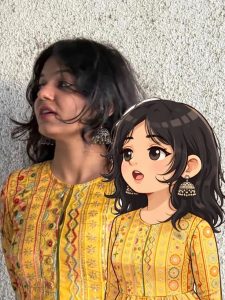
When a policy states that any pictures are allowed to be stored as long as it is necessary, that, too, is a phrase to raise eyebrows. Necessary for what? They rarely say.